Commercial roof insulation is easy to overlook because the membrane is the visible part of…
Metal Roof Advantages for Commercial Buildings
When commercial property owners start weighing roofing options, the conversation usually circles around lifespan, maintenance, energy performance, and how much disruption a project will cause. That is exactly where metal roof advantages stand out. For many commercial buildings, metal roofing offers a practical blend of toughness, efficiency, and long-term value that is hard for other systems to match.
At Shain Roofing & Sheet Metal, commercial roofing is not treated like a commodity. It is a system that needs to protect a business through Michigan wind, rain, snow, heat, and the wear that comes from year after year of exposure. In Southeast Michigan and metro Detroit, where weather can shift from blazing sun to heavy snow in the same season, choosing the right roofing material matters. A well-designed metal roof can be one of the smartest investments a business makes.
Why Commercial Property Owners Keep Looking at Metal Roofing
There is a reason metal roofing remains a serious contender for warehouses, office buildings, industrial facilities, retail centers, and municipal properties. It is not just about appearance, although modern roof panels and architectural profiles can absolutely sharpen the look of a building. The bigger story is performance.
Compared with many traditional roofing materials, metal roofing is built for punishment. It handles temperature swings, resists moisture, and stands up well to high winds, hail, and seasonal abuse. While some systems begin aging the day they are installed, a properly selected and professionally installed steel roof often keeps doing its job with fewer surprises and fewer interruptions to business operations.
Exceptional Longevity That Changes the Cost Conversation
One of the biggest advantages of metal roofing is its lifespan. Commercial owners often focus on the initial cost, and that is understandable. The upfront cost of a new metal roof can be higher than some alternatives. But roofing should never be judged by invoice alone. It should be judged by how long it performs, how often it needs repairs, and what it costs to keep it in service.
This is where exceptional longevity matters. A quality steel roof, aluminum system, or other commercial metal roofing systems can last for decades with proper installation and maintenance. By contrast, systems built from asphalt shingles, wood shakes, or other conventional roofing materials may require frequent maintenance or replacement much sooner. In a commercial setting, that difference can reshape long term costs in a major way.
Think of it like buying equipment for a facility. The cheapest machine on day one is rarely the cheapest machine ten years later. Roofing works the same way. The upfront investment may be higher, but the reduced repair cycle and longer service life often make metal roofing the steadier financial choice.
Metal Roofing Performs Well in Michigan Weather
Michigan weather does not believe in moderation. A commercial roof here may face lake-effect moisture, freeze-thaw cycles, summer UV exposure, wind-driven rain, and stretches of heavy snow. That is why metal roofing is so appealing for local businesses.
A properly engineered steel roof has strong wind resistance and can provide superior resistance to weather-related stress. Many systems are manufactured to handle high winds, and the interlocking or mechanically seamed nature of certain panels helps reduce uplift risk. In the winter, sloped metal roofs can also help snow shed more efficiently than some other assemblies, reducing standing loads from heavy snow.
That does not mean every building should have the same profile or panel type. Some structures are better suited for structural roof panels, while others may benefit from architectural systems like standing seam metal roofs. The point is that metal roofing systems can be designed around the building instead of forcing the building to live with a one-size-fits-all solution.
Energy Efficiency and Lower Heat Gain
Another one of the most talked-about metal roof advantages is energy efficiency. Commercial buildings spend real money on heating and cooling, and the roof plays a larger role in that than many owners realize. Some roofing material types tend to absorb heat and hold it, which can increase indoor temperatures and drive up cooling demand.
Many metal roofing products are designed to reflect solar radiation rather than soak it in. With the right finishes and coatings, a metal roof can reduce heat gain and improve energy efficiency during warmer months. Instead of trapping heat, reflective surfaces can help re emit solar load away from the building. That can lead to measurable energy savings and lower energy consumption, especially in large commercial spaces with broad roof areas.
For building owners in Southeast Michigan, this matters even in cooler climates. A common myth is that reflective roofing only benefits properties in hot southern states. In reality, reducing summer heat load can still improve comfort and operating costs here. An energy efficient roofing system can support indoor climate control without forcing HVAC equipment to fight unnecessary rooftop heat.
Fire Resistance Is a Serious Commercial Benefit
For commercial and industrial buildings, fire resistance is not a marketing extra. It is a core performance issue. Many metal roofing assemblies carry a strong fire rating, and that can be a meaningful benefit when compared with some traditional roofing materials.
A steel roof does not burn the way combustible materials can. Compared with wood shakes or aging assemblies that may be more vulnerable to ignition, metal roofing offers a level of protection that many owners and facility managers appreciate. In sectors where equipment, inventory, or operations increase fire risk, that added layer of confidence matters.
This is one reason metal roofing is often considered a smart roofing material for manufacturing sites, storage buildings, and other commercial properties where resilience is not optional. A strong fire rating can also complement insurance and risk-management conversations.
What About Storms, Hail, and Impact?
Commercial owners in Michigan know storms can hit hard and fast. Wind-driven debris, hail, and pounding rain can expose weaknesses in aging roofs quickly. One of the strongest selling points of metal roofing is its durability under those conditions.
A properly selected steel roof or aluminum system offers excellent resistance to impact and weather. Some products are manufactured for notable impact resistance, which can help them perform better during hail events than more fragile materials. While severe storms can still cause cosmetic damage, the system itself often remains structurally sound and watertight.
That distinction matters. A dented panel is frustrating, but a failed membrane or water intrusion into insulation and decking is far more expensive. When businesses compare other roofing materials, they often find that metal roofing offers exceptional strength without demanding the same repair frequency.
Standing Seam, Steel Roof Panels, and Other Commercial Options
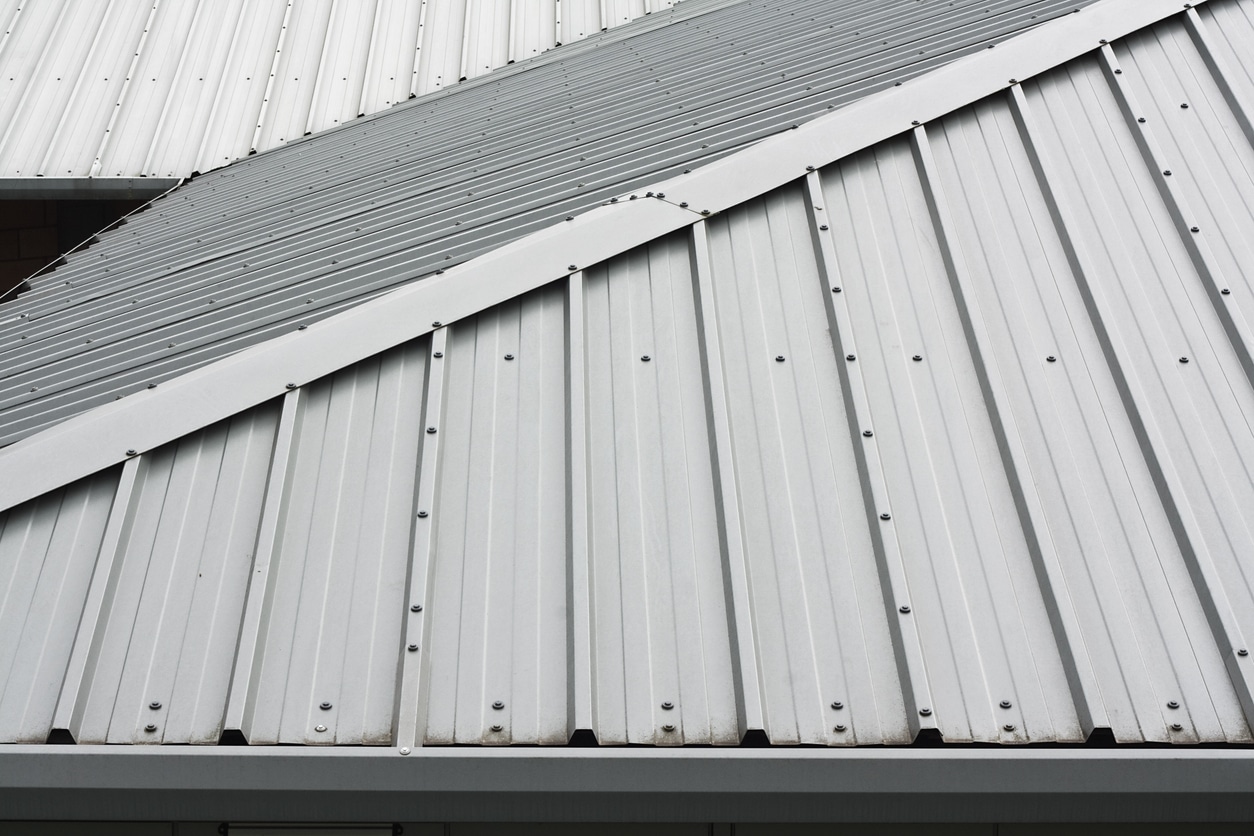
Not all metal roofing looks the same, and not all systems perform the same way. Commercial buildings can use several styles depending on slope, structure, design goals, and exposure. Standing seam systems are among the best-known options because they offer concealed fasteners, clean lines, and dependable weather performance.
Standing seam metal roofs are especially attractive for commercial properties that want a polished appearance with strong waterproofing performance. Because the seams stand above the flat plane of the panel, water is directed away more effectively, and concealed attachment points can reduce exposure at vulnerable penetrations. In many cases, standing seam systems also work well when owners want to add solar panels later.
Other commercial structures may use exposed-fastener roof panels, structural panels, or specialized assemblies in galvanized steel, aluminum, copper, or zinc. A steel roof is often the go-to choice because it balances cost and strength well, but copper and zinc can offer premium aesthetics and longevity in the right application. Pre painted and factory-finished systems also provide color stability and added protection through modern coatings.
Metal Roofing vs. Asphalt Shingles and Other Materials
For some building owners, the comparison starts with asphalt shingles because they are familiar. In residential neighborhoods, that makes sense. But commercial roofing has different demands. A large facility is not just another one of the houses on the block, and a commercial roof should not be selected like an asphalt shingle roof on a small home.
Compared with asphalt shingles, metal roofing usually offers better lifespan, stronger weather performance, and less maintenance over time. Asphalt shingles can break down faster under UV exposure, temperature swings, and wind. They may also be a poor fit for many low-slope or larger commercial applications. The same goes for wood shakes, which can be attractive on certain structures but are not typically the best answer for a commercial property seeking low maintenance, strong fire performance, and long service life.
When owners compare metal roofing to concrete tile, wood shakes, and other roofing materials, they often come back to the same conclusion: the long game matters more than the short game. A lower purchase price is not much comfort if the system needs more repairs, more patching, or earlier replacement.
Do Metal Roofs Attract Lightning?
This question comes up constantly, so it is worth answering clearly: metal roofs attract lightning is a myth. A metal roof does not inherently attract lightning simply because it is made of metal. Lightning is influenced by height, isolation, and the path of least resistance, not by a roof magically acting like a beacon.
In fact, one reason commercial owners feel comfortable with metal roofing is that it is noncombustible. So while people may ask whether metal roofs attract lightning, the more useful question is how the building is grounded and protected overall. If lightning strikes a building, the roofing system is only one part of a broader electrical protection picture. The material itself is not the invitation.
Sustainability and Waste Reduction
A commercial roofing material should not create unnecessary landfill problems every couple of decades. That is another area where metal roofing shines. Many systems are manufactured with recycled content and can often be recycled again at the end of their service life.
That makes metal roofing more environmentally friendly than some conventional roofing materials that generate more waste during tear-off and replacement. In some retrofit situations, a new system may even be installed over an old roof when code, condition, and design allow, reducing tear-off waste and limiting disruption. For building owners thinking about sustainability goals, lifecycle performance matters just as much as first cost.
Solar Panels and Future Flexibility
Commercial owners increasingly want roofing systems that support future upgrades. A metal roof can be an excellent platform for solar panels, especially when the system is designed with that possibility in mind from the start.
Certain metal roofing assemblies, including some standing seam profiles, can simplify solar panels attachment without excessive penetrations. That can protect the integrity of the roof while helping businesses move toward better energy performance. Even if solar panels are not part of the immediate project, it is smart to choose a roofing system that keeps future options open.
The Upfront Cost Question, Honestly Answered
Yes, the upfront cost of metal roofing can be higher than some alternatives. That is one of the first things owners notice, and pretending otherwise would be useless. A steel roof often costs more per square foot than some basic systems, especially when premium finishes, heavier gauge panels, or custom fabrication are involved.
But the better question is what that upfront cost buys. It buys lifespan. It buys stronger weather performance. It buys lower odds of repeated repairs. It may buy lower cooling costs through better energy efficiency. It may also reduce the chance that your team is calling for emergency service every time a storm rolls through. For many commercial properties, the upfront investment is justified because the benefits keep paying back over time.
As mentioned earlier, the real comparison is not just day-one price. It is total value over years of service. That is where metal roofing often separates itself from materials that look cheaper at first glance.
Installation Matters as Much as Material
Even the best feature list will not rescue a bad installation. A great roofing material installed poorly can fail early, leak, or age unevenly. That is why commercial owners should care just as much about who will install the system as what system they choose.
Professional installation affects seam integrity, flashing details, drainage, attachment, penetrations, and overall performance. Whether the project uses galvanized steel, aluminum, copper, or another system, the craftsmanship behind the roof panels matters. A new metal roof should not just look sharp on day one. It should leave the building in excellent condition for the long haul.
At Shain Roofing & Sheet Metal, that practical mindset is central. Commercial roofing is not about cutting corners and disappearing. It is about doing the work cleanly, safely, and correctly so the building stays protected through Michigan weather.
Is Metal Roofing Right for Every Commercial Building?
Not every building needs the same solution, and not every owner has the same priorities. Some properties are better candidates for membranes, coatings, or other systems depending on slope, use, budget, and existing conditions. But for many facilities, metal roofing deserves a serious look because of its blend of strength, lifespan, and performance.
If your commercial property needs a system that can handle fire, wind, hail, temperature swings, and long-term exposure with fewer headaches, a steel roof or other metal roofing systems may be the right fit. The key is matching the design to the structure and making sure the work is handled by an experienced commercial roofing contractor.
Final Thoughts on Metal Roof Advantages
The strongest metal roof advantages come down to simple business logic. You want a roof that lasts, resists damage, supports energy efficiency, and does not become a recurring source of downtime and repair expense. That is why metal roofing remains such a compelling option for commercial buildings.
From exceptional longevity and fire resistance to weather performance, sustainability, and compatibility with solar panels, the advantages are real. In Southeast Michigan, where a commercial roof has to be ready for sun, wind, heavy snow, and everything in between, metal roofing gives building owners a hard-working, dependable option.
If you are considering a new metal roof for your commercial property in Livonia or the greater metro Detroit area, Shain Roofing & Sheet Metal can help you evaluate the building, the budget, and the best system for long-term performance. A commercial roof should not be a gamble. It should be one of the most reliable parts of your building.
Related Posts