Commercial roof insulation is easy to overlook because the membrane is the visible part of…
Most Common Commercial Roofing Problems and How to Fix Them
A properly maintained roof is essential for ensuring the safety, performance, and overall worth of any commercial building. With the variety of roofing materials, roof types, and drainage systems found in the roofing industry, even the best-installed roofs can face periodic challenges. Common issues with commercial roofs, such as leakage and general deterioration, can result in expensive repairs, structural harm, and business interruptions if not addressed promptly.
Let’s examine the major issues facing today’s commercial buildings, discuss their causes, and provide actionable solutions. Drawing on industry trends and expert advice, you’ll learn to protect your building, extend roof life, and recognize when to call in roofing professionals.
Most Common Commercial Roofing Challenges
Here are the most common commercial roof issues, how to spot them, and how to address each for optimal roof life and energy efficiency.
Roof Leaks and Water Damage
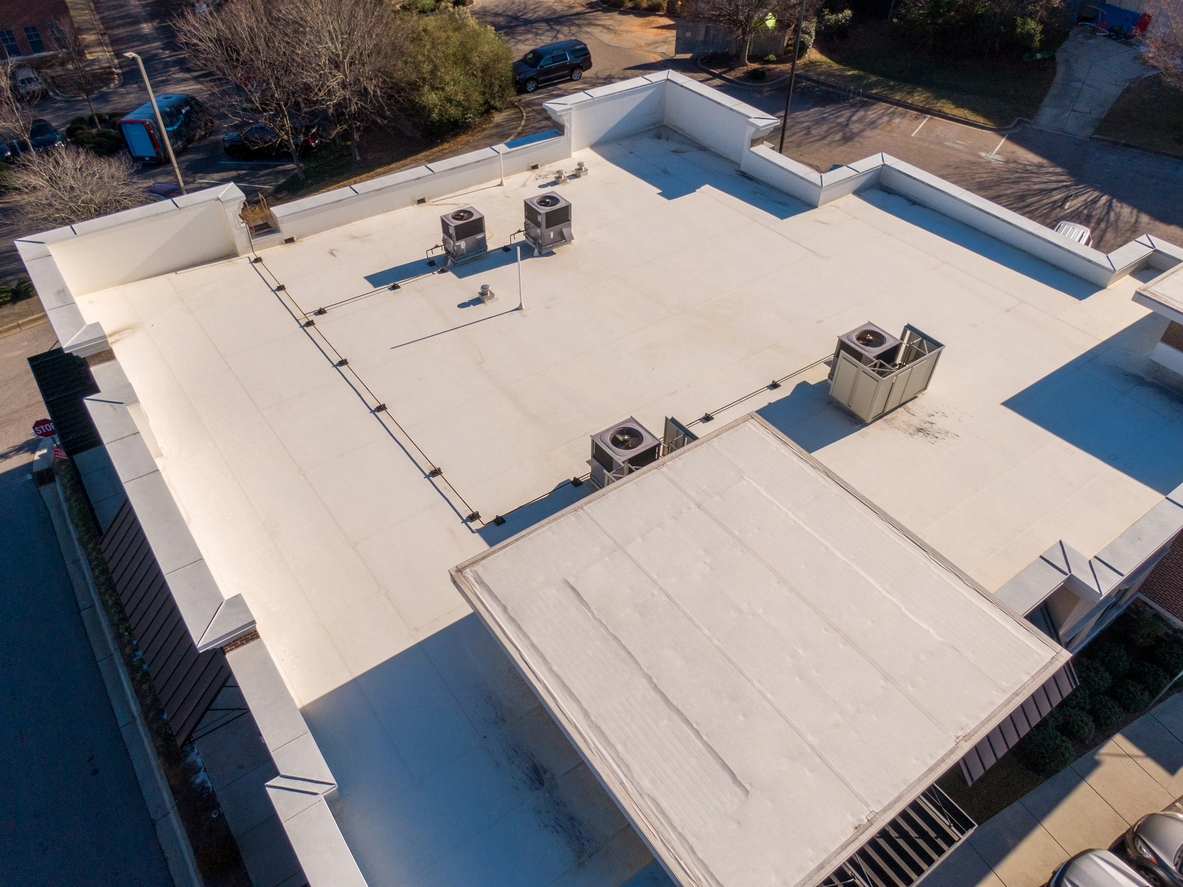
Roof leaks are a frequent issue in commercial roofing, often caused by small punctures in the roofing membrane or around roof penetrations, such as skylights, pipes, and HVAC units. Water infiltration through leaks can cause damage to the building and promote mold growth if left untreated. Signs to watch for include stains on ceilings or walls, dripping water indoors, and persistent musty smells in the impacted areas.
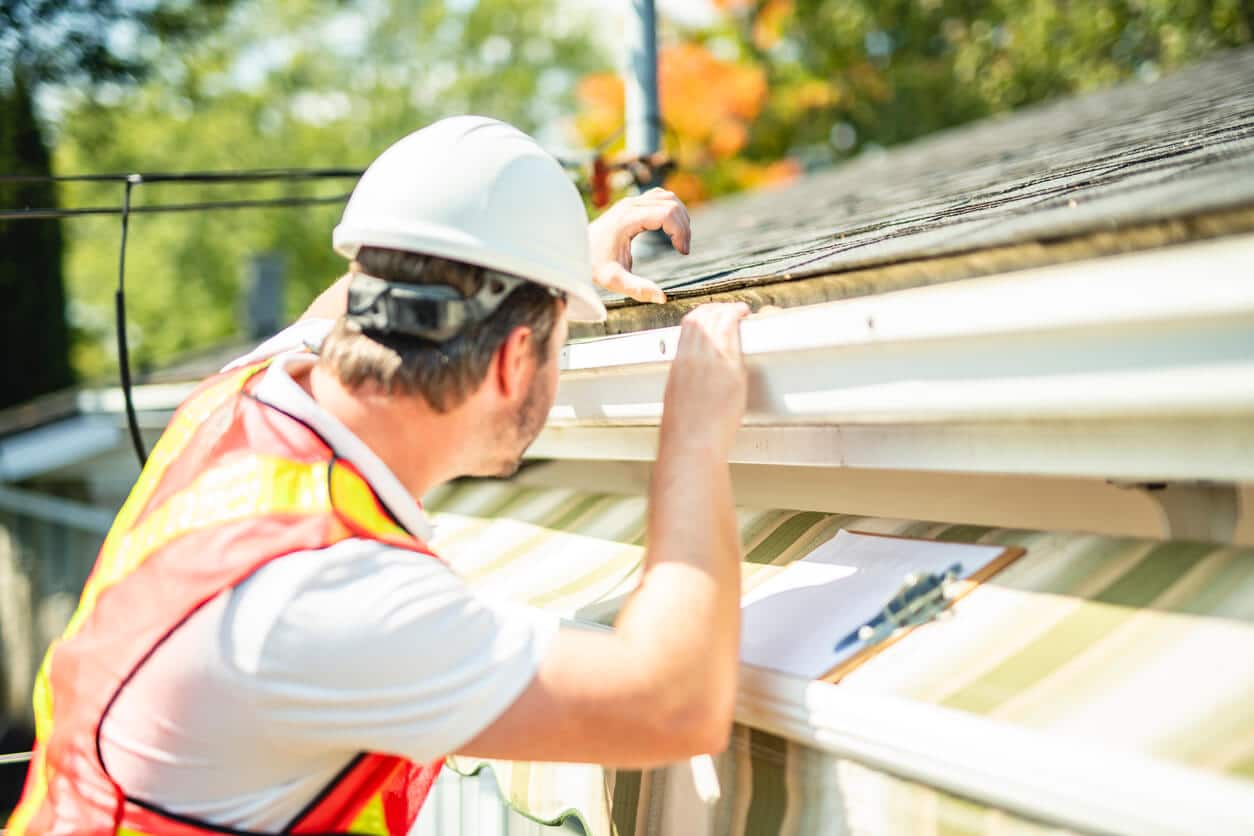
Early detection through thorough roof inspections and clearing drainage systems is essential. For extensive damage, consulting a professional roofing contractor is recommended to prevent structural issues and costly repairs.
Ponding and Standing Water
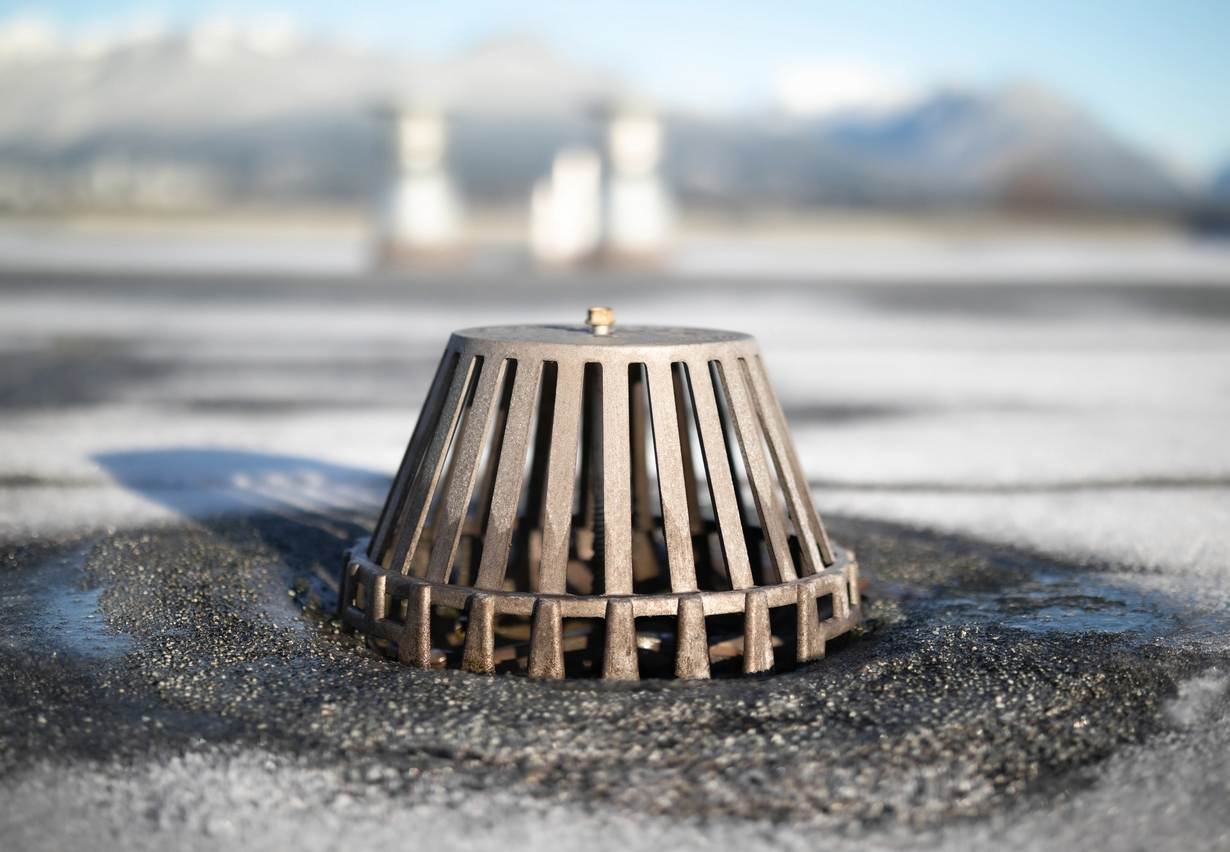
Ponding water, also known as standing water, is a common issue on flat and low-slope commercial roofs, often caused by inadequate or blocked drainage systems. When water accumulates on the roof for over 48 hours, it causes membrane deterioration, discoloration, and moss growth in affected areas. To prevent these problems, regular cleaning of roof surfaces and drainage systems is essential, especially after heavy rain or storms.
Additionally, improving the roof slope through tapered insulation or repairing damaged sections helps ensure proper water flow. Routine inspections as part of a maintenance plan are key to addressing ponding water before it causes significant harm.
Membrane and Material Failures
Roofing materials are subject to prolonged exposure to heat, cold, and UV rays, which can lead to common issues such as blisters, cracks, or shrinkage due to thermal expansion and contraction. Additionally, foot traffic from contractors or maintenance staff can puncture membranes, reducing the roof’s service life. Visible signs of damage include blisters or bubbles, surface cracks, pulled-back seams, and soft spots under the membrane.
To protect the roof, it is important to limit rooftop foot traffic and install walkway pads in high-traffic areas. Small punctures can be patched with approved materials, but severe membrane damage requires consulting professionals for possible full-section replacement.
Poor Installation and Unqualified Contractors
Poor installation is a leading cause of early roofing system failure. Unskilled contractors often cause leaks and energy loss by using the wrong materials, ignoring specs, and poorly sealing roof penetrations. Common issues resulting from poor installation include roof leaks, missing shingles shortly after installation, uneven surfaces, visible membrane seams, and gaps or loose flashing.
To prevent these issues, it is essential to hire skilled professionals with a proven track record of success in the roofing industry. Also, scheduling regular post-installation inspections helps identify issues early, allowing for timely repairs and ensuring compliance with industry standards.
Damaged or Failing Flashing
Flashing is essential for protecting against water damage by sealing areas where joints, roof edges, and vents meet. When flashing rusts, pulls away, or is improperly installed, it often leads to leaks and significant damage to the roofing system. Common signs of flashing problems include water stains near vents, HVAC units, or roof edges, as well as rusted or missing flashing materials.
To address these issues, it is important to replace or reseal damaged flashing promptly. Using corrosion-resistant materials suitable for the specific roofing system during repairs helps ensure long-lasting protection.
Aging and Wear from the Environment
Commercial roofs endure significant wear due to aging, UV damage, and the constant fluctuations caused by thermal expansion and contraction. Harsh weather conditions, including high winds, severe storms, and other adverse weather, further accelerate the deterioration process. Signs of aging on a roof include brittle or warped materials, blistering, granule loss, discoloration, and an increasing frequency of repairs.
To mitigate these effects, regular maintenance should be conducted at least twice a year, as well as after major weather events. Replace worn surfaces promptly and monitor affected areas, planning roof replacement when repairs become frequent or too costly.
Mold Growth and Prevention
Mold growth is a frequent and significant issue in commercial buildings and is among the typical roof issues businesses face, particularly in locations with elevated humidity levels or inadequate ventilation. It often develops where moisture accumulates, such as in ponding water, clogged gutters, or damaged roofing membranes.
Factors like poor installation, severe weather, and lack of proper maintenance can raise the likelihood of roofing damage. If mold is not dealt with, it can harm roofing materials, lower indoor air quality, and create health concerns for those living in the building.
When to Call Roofing Professionals
While general maintenance can often be handled by on-site staff, most roofing issues should be addressed by qualified professionals. This not only ensures repairs are completed safely and effectively but also helps preserve any existing warranties. Attempting repairs without the right experience (especially after severe storms) can void warranties and threaten safety.
Call a professional roofing contractor if you encounter:
- Persistent leaks or water stains
- Blistering, cracks, or punctures in the roofing membrane
- Problems after major issues or bad weather
- Signs of mold growth or roof damage affecting interior spaces
Hiring experienced professionals ensures lasting repair work, maximizes roof life, and keeps your business protected against future roofing problems.
Get Ahead of Roof Repairs: Call Shain Roofing Now!
Commercial roofing problems can affect any roof, regardless of its age or construction quality. Proactive care through routine maintenance, consistent inspections, and timely repairs, performed by skilled professionals, helps reduce risks and safeguard your investment.
Don’t wait for small roofing issues to turn into costly headaches. Trust the experienced professionals at Shain Roofing & Sheet Metal Inc. to keep your commercial property protected year-round.
Our dedicated team provides prompt, reliable service and custom solutions tailored to your building’s unique needs. Contact us today for a comprehensive inspection.
Related Posts