Commercial roof insulation is easy to overlook because the membrane is the visible part of…
Commercial Roof Lifespan: How Long Your Roof Lasts
A commercial roof is supposed to be the quiet workhorse of your building. It sits overhead through summer heat, freeze-thaw cycles, pounding rain, drifting snow, and Michigan wind, all while your business keeps moving below. But no commercial roof lasts forever. If you own or manage a property, one of the smartest questions you can ask is simple: what is the commercial roof lifespan for my building, and what can I do to extend it?
The answer depends on the roofing system, the quality of the installation, the local weather, and how seriously you take maintenance. A roof that gets ignored will age like a truck left in a field. A roof that gets regular maintenance, prompt repairs, and professional attention can often deliver years beyond its average lifespan.
For commercial property owners in Livonia and across Southeast Michigan, roof longevity matters for more than budgeting. It affects tenant comfort, inventory protection, energy efficiency, and whether a minor issue turns into a disruptive emergency. Below, we break down the lifespan of a commercial roof, what shortens it, what helps it last, and when commercial roof replacement becomes the smarter move.
What Is the Average Commercial Roof Lifespan?
The commercial roof lifespan varies widely because there is no single roof type used on every commercial building. Some systems are built for flat roofs, some for low-slope asphalt roof applications, and some for steep-slope sections or specialty structures. The materials, membrane type, seams, drainage design, and exposure to weather all affect service life.
In general, the average lifespan of a commercial roof falls somewhere between 15 and 40 years. That is a wide range, but it reflects reality. A well-installed metal roofing system may last decades longer than an aging membrane roof with chronic standing water. Likewise, a roof installed by experienced professionals and supported by a consistent maintenance schedule will usually outperform one with poor installation and deferred repairs.
Here is a rough guide to the expected lifespan of common commercial roofing systems:
- EPDM rubber roofing: 20–30 years
- TPO/PVC single ply roofing systems: 20–30 years
- Modified bitumen: 15–25 years
- Built up roofing: 20–30 years
- Metal roofing: 30–50 years
- Roof coatings over existing systems: varies based on underlying roof condition and coating type
That average lifespan is not a guarantee. Think of it more like the useful life you can reasonably expect when the roof gets proper installation, regular inspections, and timely repairs.
Several Factors That Affect the Lifespan of a Commercial Roof
The lifespan of a commercial roof is shaped by more than the material alone. Two buildings can have the same roofing system and reach very different outcomes. One may still be serviceable after 25 years. The other may need roof replacement much sooner.
That is because several factors work together to either preserve or accelerate wear. If you want to understand your roof’s life, you have to look at the whole picture: installation, drainage, weather exposure, foot traffic, maintenance habits, and the condition of the roof surface itself.
Roofing Materials and System Design
Different commercial roofing materials age in different ways. Single ply membranes like TPO PVC and EPDM are flexible and widely used on flat roofs and low-slope roofs. They are cost effective, relatively lightweight, and popular for large buildings such as warehouses, offices, shopping malls, and industrial facilities.
Built up roofing and modified bitumen rely on layers of asphalt-based materials and reinforcement. These systems can be durable, especially where extra redundancy is needed. Metal roofing has several benefits too, including long service life, durability, and low maintenance compared with some membrane-based options. Still, each roofing system has strengths and weaknesses, and the wrong fit for the building can shorten the roof’s lifespan.
Installation Quality Matters More Than Most Owners Realize
A commercial roof can be made from excellent materials and still fail early if the installation process is sloppy. Proper installation is one of the biggest predictors of long-term performance. If seams are weak, flashing is poorly detailed, drainage is wrong, or the roof membrane is not secured correctly, problems start quietly and then spread.
Poor installation often shows up later as persistent leaks, loose seams, trapped moisture, and premature membrane breakdown. In other words, the roof may look fine from the parking lot while trouble is already brewing under the surface. That is why working with a qualified commercial roofing contractor matters so much. A roof is only as good as the hands that install it.
Commercial Roofing Systems and Their Expected Lifespan
When people ask about commercial roof lifespan, they are usually trying to compare systems. That makes sense. If you are planning installation on a new commercial building or evaluating commercial roof replacement, the type of roofing system you choose will shape maintenance costs, energy performance, and long-term replacement timing.
Below are some of the most common commercial roofing systems and what property owners can usually expect from each.
EPDM and Other Single Ply Roofing Systems
Single ply roofing systems are common on flat roofs because they are efficient, versatile, and practical for many building types. EPDM is a synthetic rubber membrane known for flexibility and weather resistance. TPO PVC systems are also widely used, especially when owners want reflective surfaces that can help reduce heat gain.
The average lifespan for these single ply systems is often around 20 to 30 years, though that depends heavily on seam quality, drainage, and maintenance. Single ply membranes can perform very well, but seams, punctures, and flashing details need attention over time. On a windy Michigan day, one weak area can become the first line of failure if it is not caught early.
Built Up Roofing and Modified Bitumen
Built up roofing remains a trusted option for many low-slope applications. It uses alternating layers of asphalt and reinforcing fabrics to create a durable membrane. Modified bitumen is similar in spirit, blending asphalt with modifiers for improved flexibility and performance.
The average lifespan for built up roofing is often 20 to 30 years, while modified bitumen may land closer to 15 to 25 years. These systems can be cost effective and durable, but they are not immune to age. UV exposure, thermal expansion, water intrusion, and neglected repairs can accelerate wear and shorten the roof’s longevity.
Metal Roofing Systems
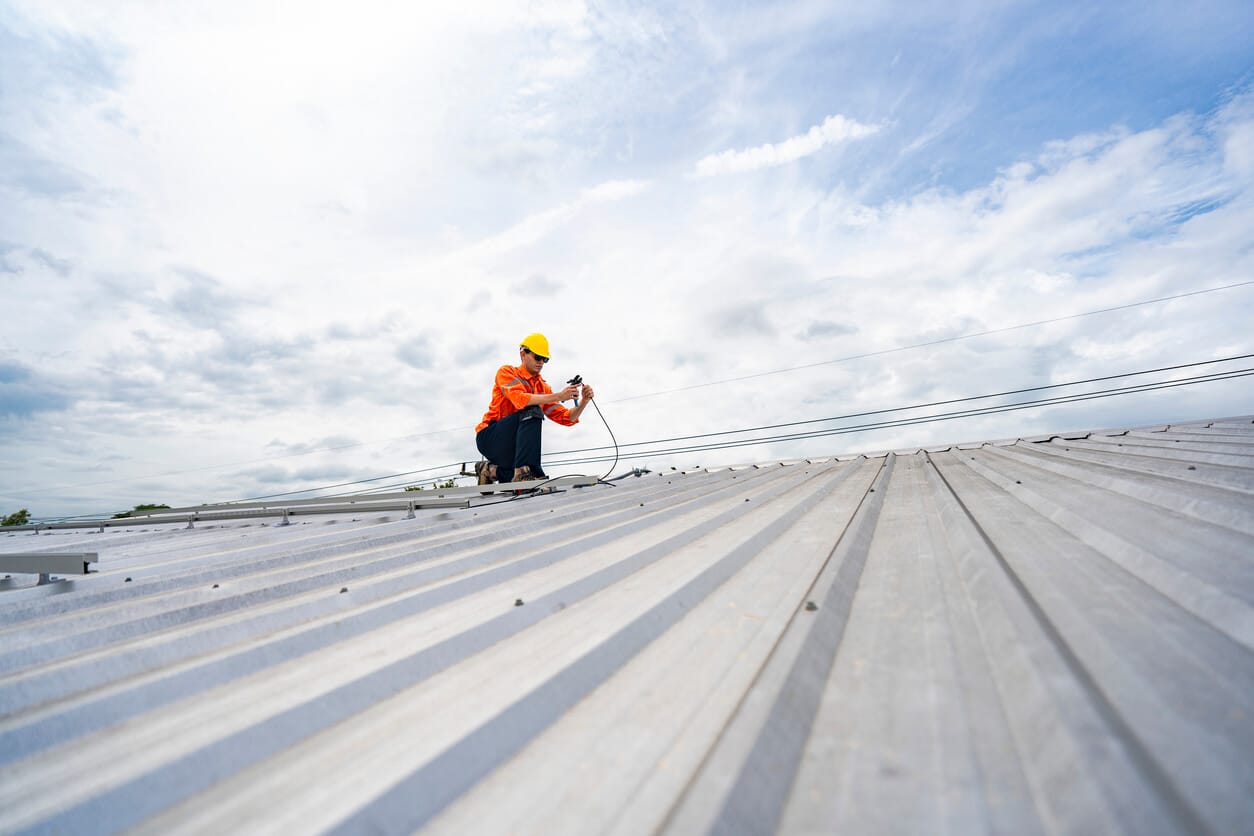
Metal roofing is often the long-game choice. For certain commercial properties, especially those with pitched sections or specialized design needs, metal can deliver a service life of 30 to 50 years or more. It is durable, weather resistant, and generally considered low maintenance compared with many membrane systems.
That said, metal roofs still need maintenance. Seams, fasteners, penetrations, and flashing can all become trouble spots. Rust, movement from thermal expansion, and storm-related damage can affect the roof condition over time. Even a tough metal roof is not invincible if strong winds or hail damage go unchecked.
How Michigan Weather Can Accelerate Wear
In Southeast Michigan, a commercial roof does not get an easy life. Freeze-thaw cycles, heavy snow, summer heat, strong winds, and sudden storms all put pressure on the roofing system. Weather conditions here can accelerate wear faster than in milder climates.
Thermal expansion is a major issue. Materials expand in heat and contract in cold, and that constant movement stresses seams, flashing, and the roof membrane. Add standing water after storms, snow loads in winter, and occasional hail damage, and you have a recipe for ongoing stress. Some roofing materials also retain heat more than others, which can intensify aging on certain roof surfaces.
Wind damage is another concern. Strong winds can lift membrane edges, strain seams, and loosen metal components. Once one area is compromised, water can begin working its way in. That is why regular inspections after major weather events are so important for commercial roofing systems in Michigan.
Why Regular Maintenance Extends a Roof’s Life
If there is one theme that shows up again and again in commercial roofing, it is this: maintenance extends lifespan. A roof left alone will not somehow reward you for your optimism. It will simply age faster. Regular maintenance gives you a chance to catch small issues while they are still manageable.
A consistent maintenance schedule helps preserve the roof surface, protect seams, improve drainage, and reduce the odds of sudden failure. This is especially important for flat roofs, where water can collect and quietly damage the membrane. Proper maintenance can add years to the roof’s life and help delay full roof replacement.
What Regular Maintenance Should Include
Regular maintenance should go beyond a quick glance from ground level. A commercial roof needs trained eyes on it. Professional roof inspections help identify weak seams, punctures, flashing problems, drainage issues, and early membrane deterioration before they turn into expensive repairs.
A smart maintenance program often includes:
- Professional roof inspections at scheduled intervals
- Debris removal from drains and roof surface areas
- Checking seams, flashing, and penetrations
- Addressing water stains or signs of hidden moisture
- Prompt repairs after storms or leak reports
- Monitoring areas with frequent foot traffic or equipment access
Regular inspections and consistent maintenance are not just about avoiding leaks. They also help property owners forecast the roof’s remaining useful life more accurately.
Red Flags That Your Commercial Roof May Be Nearing Replacement
Even with proper maintenance, every roof reaches a point where repairs stop being the best investment. If you keep patching the same trouble spots, you may be spending money to postpone the inevitable. A roof nearing the end of its expected lifespan often sends warning signals first.
Watch for red flags like persistent leaks, recurring seam failures, widespread visible damage, standing water, water stains inside the building, and areas of significant damage after storms. If the roof membrane is shrinking, cracking, or separating, that is another sign the roofing system may be losing reliability.
Aging roofs also become harder to manage when repairs start stacking up. One leak near an HVAC curb becomes another near a drain, then another at a flashing transition. At some point, the roof condition tells the story clearly: you are not just repairing isolated issues anymore. You are trying to hold together a system that has reached the end of its service life.
Repairs vs. Commercial Roof Replacement
Not every problem means immediate commercial roof replacement. In many cases, repairs are the right move. If the damage is localized and the rest of the roofing system is sound, timely repairs can extend performance and protect the building without the cost of a full replacement.
But if the roof is old, leaks are recurring, or the damage is widespread, replacement may be more cost effective. Constant repairs can feel cheaper month to month, but they often become the more expensive path over time. A commercial roofing contractor can assess whether the roof still has meaningful life expectancy left or whether it is time to start planning for replacement.
For large buildings, shopping malls, warehouses, and industrial properties, planning ahead matters. Waiting until the roof fails during a storm usually means more disruption, more interior damage, and fewer options. It is far better to start planning before the emergency call becomes necessary.
How to Extend the Roof’s Lifespan
If you want to extend your commercial roof lifespan, the strategy is straightforward even if the work itself is technical. First, choose the right roofing materials for the building. Second, make sure the installation is handled by experienced professionals. Third, commit to regular maintenance and prompt repairs.
That combination gives the roof its best chance at a long, stable service life. It also protects your budget. Commercial roof replacement is a major capital expense, so anything that extends the roof’s lifespan without compromising safety or performance is worth serious attention.
Property owners should also keep records of inspections, repairs, leak history, and any changes to rooftop equipment. Those details help track the roof’s longevity over time and make future replacement decisions clearer.
Why Professional Inspections Make a Difference
Professional roof inspections are one of the best tools for understanding the lifespan of a commercial roof. They provide a realistic snapshot of the roof condition rather than a guess based on age alone. Some roofs look old but still have useful life left. Others look acceptable from a distance while hiding moisture problems, failing seams, or structural trouble.
Experienced professionals know where commercial roofs usually fail first. They know how to evaluate membrane performance, seam integrity, drainage, flashing, and signs of weather-related stress. That kind of evaluation helps property owners make decisions based on facts, not crossed fingers.
In a place like Livonia, where roofs are tested by winter and summer alike, regular inspections can be the difference between a manageable repair and a disruptive replacement emergency.
Protecting Your Commercial Roof in Livonia and Southeast Michigan
A commercial roof lifespan is never just about the calendar. It is about materials, installation, maintenance, weather exposure, and how quickly issues are addressed. The roof over your commercial building may last 20 years, 30 years, or longer, but only if the roofing system gets the care it needs.
At Shain Roofing & Sheet Metal Inc., we understand how much rides on the roof. For generations, our family has worked on commercial roofing systems throughout Livonia and the greater metro Detroit area. Whether you need an inspection, repairs, maintenance, or guidance on commercial roof replacement, our team is ready to help you protect your property and get the most from your roof.
If you are concerned about your roof’s lifespan, seeing signs of wear, or trying to decide between repairs and replacement, contact Shain Roofing & Sheet Metal Inc. for an expert assessment.
Related Posts