Commercial roof insulation is easy to overlook because the membrane is the visible part of…
How Commercial Roof Coatings Can Extend Your Roof’s Lifespan
When a commercial roof starts showing its age, many building owners assume the next step is a full tear-off and replacement. Sometimes that is true. But often, it is not. If the existing roof is still structurally sound, a restoration-focused coating system can buy back years of performance without the disruption and price tag of a full roof replacement.
That is why commercial roof coating systems have become such an important part of modern commercial roofing strategy. They are not a gimmick, and they are not just paint for a tired roof. Properly specified roof coatings are fluid-applied materials designed to restore weather protection, seal vulnerable areas, improve reflectivity, and extend the life of an aging roof.
For businesses across Southeast Michigan, that matters. Between freeze-thaw cycles, summer heat, wind-driven rain, and long stretches of UV exposure, a roof here takes a beating. A smart coating plan can help protect your building, reduce avoidable repairs, and delay a costly replacement while keeping normal business operations moving.
What a Commercial Roof Coating Really Does
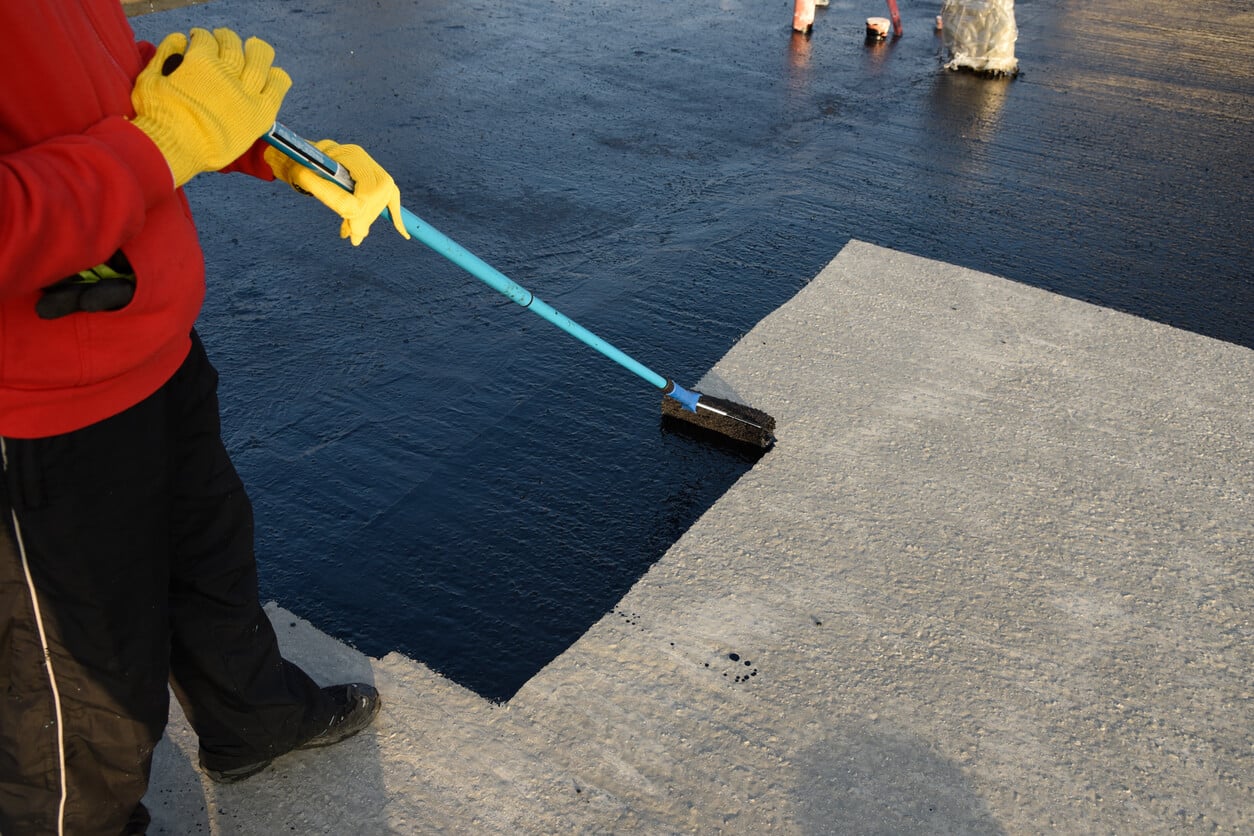
A commercial roof coating is a liquid material applied over an existing roof to create a renewed protective membrane. Once cured, that coating system forms a seamless barrier over the roof surface, helping defend against water intrusion, UV rays, and everyday weathering. Depending on the roof types involved and the goals of the project, the system may include primers, base coats, fabric reinforcement, and a top coat designed for long-term performance.
In practical terms, roof coatings help seal seams, reinforce flashings, and cover worn areas that have lost their original protection. They can also create a highly reflective finish that pushes back against heat gain. For many building owners, that means lower stress, lower energy bills, and a longer life of your roof.
Why Roof Coatings Appeal to Cost-Conscious Building Owners
The biggest draw is simple: roof coatings can be a cost effective alternative to full roof replacement. Tearing off an entire roof system is expensive, loud, invasive, and often messy. It can interrupt tenants, inventory, equipment access, and scheduling. By contrast, many roof coatings are installed with far less disruption.
That is especially attractive for occupied commercial buildings. Whether you manage a warehouse, office, retail property, manufacturing site, or institutional building, you want work done overhead without derailing the people underneath it. A restoration-minded commercial roofing contractor can often complete a roof coating project while preserving normal business operations.
There is also the accounting side. In many cases, a commercial roof coating may qualify as a maintenance expense rather than a capital expenditure, though owners should always confirm treatment with their tax professional. That distinction can create serious potential savings. Instead of budgeting for a massive capital project, some owners may be able to write off the work in a much more favorable way.
How Roof Coatings Extend the Life of Your Roof
Think of an aging roof like a work boot with the leather still intact but the outer finish worn thin. If the structure is still good, you do not always throw the boot away. You clean it, condition it, reinforce the weak spots, and put protection back on the outside. Roof coatings work in much the same way.
A well-designed roof coating system helps extend the life of your roof by renewing the outermost layer that takes the brunt of weather and sun. Instead of letting UV radiation keep cooking the membrane year after year, the coating becomes the sacrificial shield. Instead of allowing minor cracks and weathered seams to become active leaks, the coating helps lock those vulnerable areas down.
That does not mean every roof is a candidate. The roof must be structurally sound, and any wet insulation, saturated materials, or major roof issues need to be addressed first. But when the underlying assembly still has value, roof coatings can extend service life in a very real, measurable way.
The Importance of Evaluating the Existing Roof First
The best coating jobs begin with honesty. Before recommending any commercial roof coating, an experienced commercial roofing contractor should inspect the existing roof carefully. That means looking at the roof surface, drainage, penetrations, seams, flashings, previous repairs, and signs of trapped moisture.
This step matters because roof coatings are restoration systems, not magic tricks. If the existing roof has widespread saturation, failed decking, major structural problems, or severe deterioration, coating over it is like putting a fresh shirt on a broken shoulder. It hides the problem for a minute, but it does not solve it.
A proper assessment should identify whether the roof is structurally sound, whether positive drainage exists, and whether isolated repairs can restore the assembly enough to support a coating system. In many cases, targeted repairs before installation make all the difference.
Common Roof Types That Can Benefit From Roof Coatings
One reason roof coatings have become so widely used in commercial roofing is that they can work across multiple roof types. Different materials require different preparation methods and product choices, but many systems can be restored rather than removed.
Commercial roof coating options are commonly used over metal roofs, modified bitumen, built up roofing, single-ply membranes such as EPDM, and spray polyurethane foam. Each substrate has its own quirks. Metal roofs often need seam treatment and rust management. Modified bitumen may require attention to granule loss and splits. Built up roofing may need reinforcement at stress points. EPDM can require special primers and compatibility checks.
Acrylic roof coatings and silicone coatings are among the most common restoration options across these roof types, but the right answer depends on the roof system, slope, drainage conditions, and local climate.
Acrylic Coatings: Reflective and Budget-Friendly
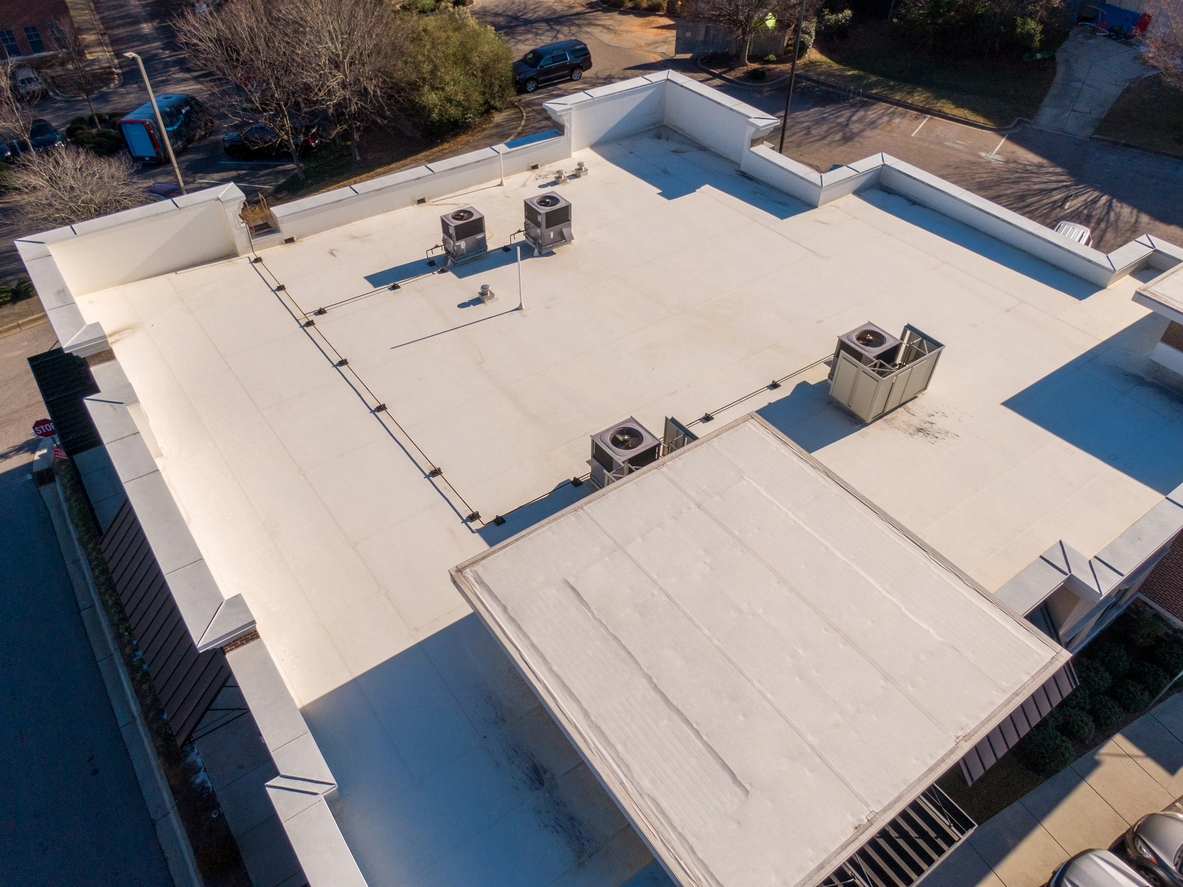
Acrylic coatings are popular because they are versatile, highly reflective, and often economical. Acrylic roof coatings are especially attractive when building owners want to reduce heat absorption and improve the performance of an aging roof surface. A bright white acrylic roof can reflect significant sunlight, helping reduce rooftop temperatures and, in some buildings, lowering energy costs.
Another benefit of acrylic coatings is ease of application across large areas. They can provide a smooth surface and renewed UV protection over weathered membranes and metal roofs alike. Acrylic roof coatings are often used where positive drainage is present and where the roof can dry properly after rain.
That said, acrylic coatings are not the best fit for every roof. In areas with chronic ponding water, acrylic can be less desirable than silicone. That is why a coating system should never be chosen by brochure alone. Conditions on the roof always come first.
Silicone Roof Coating Systems for Ponding Water and Harsh Exposure
Silicone roof coating products are often selected when a roof sees frequent standing water or stubborn ponding water. Silicone has excellent resistance to weathering and moisture, and a silicone roof coating can maintain performance where some other coatings struggle.
For many flat and low-slope roofs, that makes silicone a strong long term solution. A silicone roof can handle UV rays well, resist breakdown from prolonged sun exposure, and provide durable protection with a seamless top coat. In the right application, a single coat silicone roof coating may even be an option, though many systems still involve detail work, repairs, and reinforcement before the final application.
Silicone coatings also tend to attract less concern over prolonged wet conditions than many acrylic systems. If a building has imperfect drainage or recurring ponding water, silicone coatings may be the smarter call. In Southeast Michigan, where snowmelt and rain can test a flat roof for months at a time, that is an important consideration.
Silicone vs. Acrylic: Choosing the Right Coating System
The debate between silicone and acrylic is common in the roofing industry, but the better question is not which material is universally better. It is which material is better for this building, this roof surface, and these specific weather conditions.
Acrylic roof coatings are often favored for their reflectivity, affordability, and performance on roofs with positive drainage. Silicone roof coating systems are often favored for excellent resistance to ponding water and long-term UV exposure. Some projects may also involve solvent based products, specialty primers, or hybrid approaches depending on the substrate and performance goals.
A good commercial roofing contractor will weigh drainage, adhesion, substrate condition, maintenance needs, local weather, and budget before recommending a coating system. The best results come from matching materials to the roof instead of forcing the roof to fit the materials.
Why Preparation Matters More Than the Bucket Label
A coating is only as good as the surface beneath it. That is one of the least glamorous truths in commercial roofing, and one of the most important. Before roof coatings are applied, the roof usually needs cleaning, repairs, seam treatment, flashing work, and detail preparation.
If there are open laps, deteriorated flashings, punctures, or wet areas, those issues need to be corrected first. Some systems require fabric reinforcement at seams, penetrations, drains, or transitions. Others may call for extra material in high-stress areas or around rooftop equipment. The goal is not just to spread product, but to build a continuous and reliable protective layer.
Application thickness also matters. Manufacturers specify target dry mil thickness for a reason. Too little material and the roof coating system may not provide the expected protection or warranty performance. In some cases, more liquid material must be applied in multiple passes to achieve the proper cured membrane. On rough or irregular surfaces, even more liquid material may be needed to account for texture and absorption.
Roof Coatings Can Seal Leaks, but They Are Not a Shortcut
One of the most appealing things about roof coatings is that they can help address active leak pathways. They can seal seams, bridge minor surface irregularities, and restore waterproofing where the original membrane has weathered. For owners dealing with recurring nuisance leaks, that can feel like finally getting a lid back on the pot.
But coatings should not be treated like a shortcut around real repairs. If a leak is caused by failed flashings, substrate movement, wet insulation, or structural damage, those conditions need direct attention. The right process is repairs first, then coating. That is how you protect the building and extend life instead of merely delaying failure.
The Role of Spray Polyurethane Foam in Restoration
Spray polyurethane foam is another restoration material that sometimes enters the conversation with roof coatings. On certain commercial roofing projects, spray polyurethane foam can be used to add insulation value, improve slope, and create a monolithic surface that is then protected with a coating.
Because spray polyurethane foam must be shielded from UV exposure, roof coatings are a critical part of that assembly. A silicone roof or acrylic roof top coat over spray polyurethane foam provides the weathering and UV protection that keeps the foam performing. For some buildings, this combination offers a powerful balance of insulation, waterproofing, and restoration without immediate roof replacement.
Energy Performance and the Value of a Reflective Roof
Many roof coatings are highly reflective, which means they bounce sunlight away instead of absorbing it into the building. That can help reduce rooftop heat load, especially on large low-slope commercial roofs with broad sun exposure.
For building owners, the practical result may be lower cooling demand, reduced energy bills, and more stable interior temperatures in top-floor spaces. Not every building sees the same savings, but a reflective commercial roof coating can absolutely contribute to lower energy costs under the right conditions.
This is one reason acrylic roof coatings remain popular. A bright acrylic roof can act almost like sunscreen for the building, helping protect the membrane below from constant UV rays while also reducing heat gain. Silicone coatings can also be highly reflective, depending on the product and finish.
Roof Coatings and Environmental Responsibility
There is also an environmentally friendly case for restoration. A full tear off sends old roofing materials into the waste stream and requires new materials to be manufactured, shipped, and installed. When a structurally sound existing roof can be restored with roof coatings instead, the amount of discarded material drops dramatically.
That does not just feel better on paper. It can be a practical sustainability move for building owners who want to reduce waste while still protecting the building. Extending the life of an existing roof through restoration often means fewer landfill loads, fewer replacement cycles, and more value extracted from the materials already in place.
What Building Owners Should Ask Before Moving Forward
Before approving a commercial roof coating project, building owners should ask a few direct questions. Is the existing roof truly a good candidate? What repairs are required before application? Which coating system is being recommended, and why? How will flashings, seams, and penetrations be treated? What top coat is included? What maintenance plan follows installation?
Those questions help separate serious commercial roofing professionals from companies that simply want to roll product across a roof and move on. A thoughtful contractor should be able to explain the logic behind the recommendation in plain language, not hide behind jargon.
It is also wise to ask how the system will perform under local conditions. In Michigan, snow, ice, freeze-thaw movement, summer heat, and heavy rain all put demands on commercial roofing assemblies. The right coating system should reflect that reality.
Maintenance Still Matters After Installation
A restored roof is not a forgotten roof. Even the best roof coatings benefit from regular inspections, minor upkeep, and attention to drainage. Debris should be cleared, drains should remain open, and rooftop traffic should be managed to avoid unnecessary wear.
The good news is that maintenance needs after a coating project are often straightforward. Because the roof surface has been renewed, many owners find it easier to spot and address small issues before they become expensive repairs. That is part of how roof coatings help save money over time. They do not just postpone replacement. They can make the roof easier to manage in the years between now and that eventual next phase.
When Roof Coating Is Smarter Than Roof Replacement
A commercial roof coating makes the most sense when the roof is aging but still structurally sound, when the building owner wants to avoid the cost and disruption of full roof replacement, and when restoration can deliver meaningful additional life. It is often a strong fit for owners looking for a cost effective path that protects the building now while preserving capital for other priorities.
That does not mean roof replacement never wins. Some roofs are simply too far gone. But many are not. Many roofs just need the right repairs, the right prep, and the right coating system to extend the life of your roof by years rather than months.
In a market where every major expense gets scrutinized, that matters. A smart commercial roof coating strategy can protect your property, preserve business continuity, improve performance, and create real financial advantages without rushing into a full replacement before it is truly necessary.
Why Experience Matters With Commercial Roof Coatings
Modern roof coatings reward precision. The materials have come a long way, but they still depend on proper inspection, specification, surface prep, installation, and follow-through. That is why working with an experienced commercial roofing contractor matters.
The right team understands not only coatings, but the roof beneath them. They know how metal roofs move, how modified bitumen ages, how built up roofing behaves, where flashings fail, and what moisture does when it gets trapped where it should not. They know when a silicone roof coating is the right answer, when acrylic roof coatings make more sense, and when a roof has crossed the line where restoration is no longer the responsible option.
For building owners in Southeast Michigan, that kind of judgment is worth a great deal. A roof is too important to gamble on guesswork. When roof coatings are used the right way, they can extend, protect, and restore with impressive efficiency. And when they are paired with honest evaluation and skilled installation, they can become one of the smartest investments you make in the life of your roof.
Related Posts